

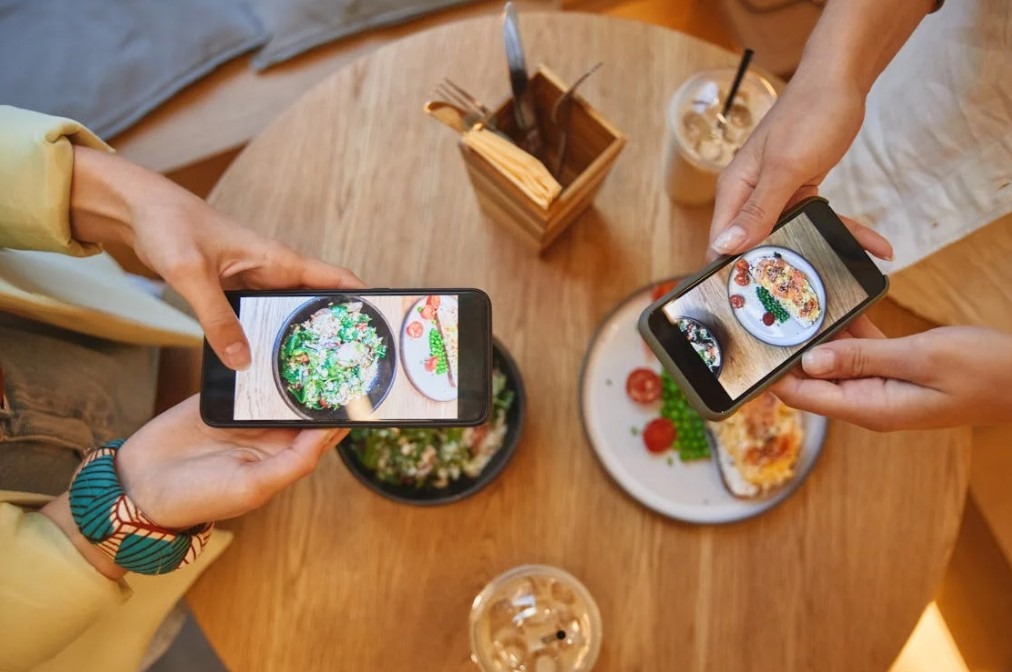
Not long ago, choosing where to eat worked differently.
You’d ask a friend. Maybe a bartender. Maybe your cousin who always seemed to know a good neighbourhood spot before anyone else. Sometimes you’d simply walk down a busy street, glance through a window, and trust your gut.
That still happens, of course. But today? Most dining decisions begin somewhere else-on a screen.
A Google search. An Instagram Reel. A late-night TikTok save. A quick scan of photos on a booking app while standing outside a tube station.
And whether diners realise it or not, digital visibility now shapes nearly every part of modern food culture-from where people book brunch on a Sunday morning to where they choose for a date night, team dinner, or spontaneous takeaway.
Restaurants aren’t just competing on flavour anymore. They’re competing on discovery.
And that shift is changing everything.
The New Front Door Is Digital
Before anyone sees the lighting, hears the music, or tastes the first bite, they usually meet a restaurant online.
That first impression matters.
According to hospitality insights shared by companies like OpenTable and Google, most diners now research a venue online before deciding whether to visit. Sometimes that research lasts ten minutes. Sometimes it lasts ten seconds.
That’s the reality of modern dining.
A restaurant’s online presence-its photos, reviews, menu layout, booking links, opening hours, and even how quickly it responds on social media-can influence whether someone books a table or keeps scrolling.
And the strongest venues understand this.
Take Santos + Co. If someone searches for Portuguese restaurant near me, best Portuguese small plates, or craft cocktails and Portuguese wine bar, this kind of venue immediately aligns with what diners are actively looking for.
What makes it work isn’t only the food.
It’s the clarity of identity online.
From the focus on Portuguese cuisine, petiscos sharing plates, and locally sourced British produce, to the storytelling behind its Algarvian wine heritage, Santos + Co gives diners something valuable before they even arrive-context.
And in today’s market, context builds confidence.
Why People Trust Photos Before Reviews
Here’s something interesting: many diners look at photos before reading reviews.
Makes sense, right?
Food is emotional. Visual. Immediate.
A beautifully plated dish tells a story faster than a paragraph ever could. A warm dining room, a well-lit cocktail bar, a smiling team behind the pass-those images create trust almost instantly.
But diners aren’t just looking for polished photography anymore.
They want consistency.
They want to know that the grilled octopus on Instagram looks just as good when it lands at their table on a rainy Thursday night.
That’s why user-generated content matters so much. Real photos. Real guests. Real experiences.
A friend of mine once booked a restaurant in London purely because someone on Instagram posted a video of a pistachio tiramisu with absolutely terrible lighting-and somehow, that made it feel more authentic.
He still talks about that dessert.
That’s digital visibility at work.
Search Behaviour Has Changed How Restaurants Position Themselves
Think about how people search today.
They don’t just type “restaurants.”
They search:
“best brunch near me”
“live music restaurant tonight”
“romantic dinner in Bracknell”
“Indian takeaway open now”
“cocktails and sharing plates”
These searches reveal intent.
And smart restaurants build their digital presence around those exact moments.
It’s not about gaming algorithms. It’s about understanding human behaviour.
Interestingly, hospitality marketing shifted dramatically during the pandemic years. When physical foot traffic dropped, restaurants had to become easier to find online. Some adapted fast. Others took longer.
The ones that embraced digital storytelling? Many of them built stronger communities than ever.
Experience-Led Dining Performs Exceptionally Online
Food matters. Obviously.
But experiences travel further online.
That’s why restaurants that combine food with atmosphere, entertainment, or community often perform exceptionally well on social media and local search.
Right in the middle of that conversation sits Musica.
If diners search for live music restaurant in Bracknell, cocktails and sharing plates, or restaurants with entertainment near me, Musica naturally fits the brief.
And that’s not accidental.
Its digital identity tells a clear story: live bands, DJs, world-inspired comfort food, craft cocktails, late-night energy, and community events.
That combination matters because people aren’t always searching for food alone. Sometimes they’re searching for what the evening feels like.
Birthday dinner?
Pre-drinks with friends?
A casual Friday night with live music?
Musica’s visibility works because it understands that dining choices are emotional decisions.
People don’t always remember exactly what they ordered.
They remember where the night started.
Reviews Still Matter-But Differently
There was a time when star ratings ruled everything.
Now? Diners read between the lines.
A 4.5-star rating helps, sure. But many people scroll deeper. They look for patterns.
Words like:
“consistent”
“friendly staff”
“worth returning”
“great atmosphere”
“quick service”
These details feel human.
And increasingly, diners trust balanced reviews more than perfect ones.
A restaurant with dozens of genuine reviews often feels more trustworthy than one with five suspiciously flawless comments.
Digital visibility isn’t about appearing perfect.
It’s about appearing real.
Menus Have Become Marketing Tools
Years ago, menus lived on tables.
Now, they live everywhere.
Google listings. Booking platforms. Websites. Instagram highlights. Even pinned TikTok videos.
And diners study them.
A well-designed menu can answer key questions instantly:
Is there vegetarian food?
Is this date-night friendly?
Do they serve cocktails?
Can I share dishes?
Is it takeaway-friendly?
Menus now influence discovery just as much as they influence ordering.
That’s why clarity matters.
No one wants to decode a menu when deciding where to spend their evening.
Delivery Platforms Changed Consumer Expectations
The rise of delivery apps didn’t just change takeaway. It changed how people evaluate restaurants altogether.
Convenience became part of the brand.
If diners can order quickly, track delivery, see food photos, and browse hygiene ratings all in one place, trust grows faster.
That’s especially relevant for neighbourhood restaurants like Iford Tandoori.
If someone searches for best Indian takeaway in Bournemouth, Indian food delivery Iford, or fresh curry near Castle Lane East, visibility becomes everything.
What makes Iford Tandoori relevant in this space is how clearly it communicates what diners actually care about:
Fresh Indian food, fast delivery, hygienic preparation, reliable evening opening hours, and easy online ordering.
That combination answers real search intent.
And real search intent leads to real bookings.
Or in this case-real orders.
Social Media Doesn’t Replace Word of Mouth-It Scales It
One great meal can still start a conversation.
But now, that conversation happens at scale.
A customer posts a curry. Someone saves it.
A couple shares cocktails from a Friday night. Their friends ask where it is.
A live music clip goes viral locally. Suddenly Saturday bookings are full.
Social media hasn’t replaced recommendations.
It’s amplified them.
And restaurants that understand this don’t just post food.
They post moments.
Authenticity Wins in the Long Run
Not every venue needs cinematic videos or influencer partnerships.
Sometimes a simple, honest digital presence performs better.
Clear opening hours.
Accurate menus.
Updated photos.
Real customer engagement.
That’s often enough.
Because digital visibility isn’t really about technology.
It’s about trust.
And trust, in hospitality, still wins.
Final Thoughts: Diners Discover With Their Eyes First
Modern dining choices aren’t made the way they used to be.
Today, people scroll before they book. They search before they visit. They compare before they commit.
But beneath all that technology, human behaviour hasn’t changed as much as we think.
People still want the same things:
Great food.
Warm service.
A memorable atmosphere.
And the feeling that they’ve chosen well.
Digital visibility simply helps them find it faster.
Whether it’s discovering Portuguese small plates and wine at Santos + Co, planning a live music dinner at Musica in Bracknell, or ordering a fresh Indian takeaway from Iford Tandoori in Bournemouth, the decision often starts online.
But the memory?
That still happens at the table.
