

The human shoulder is a highly mobile joint. It allows for a wide range of motion. This mobility makes it prone to injury. When an injury occurs, the arm must be stabilized. Two common tools are used for this purpose. These are the shoulder brace and the arm sling. Many people get confused between the two. They serve different roles in the recovery process. Choosing the wrong one can slow down healing.
Understanding these tools ensures a safer recovery journey.
What is a Shoulder Brace?
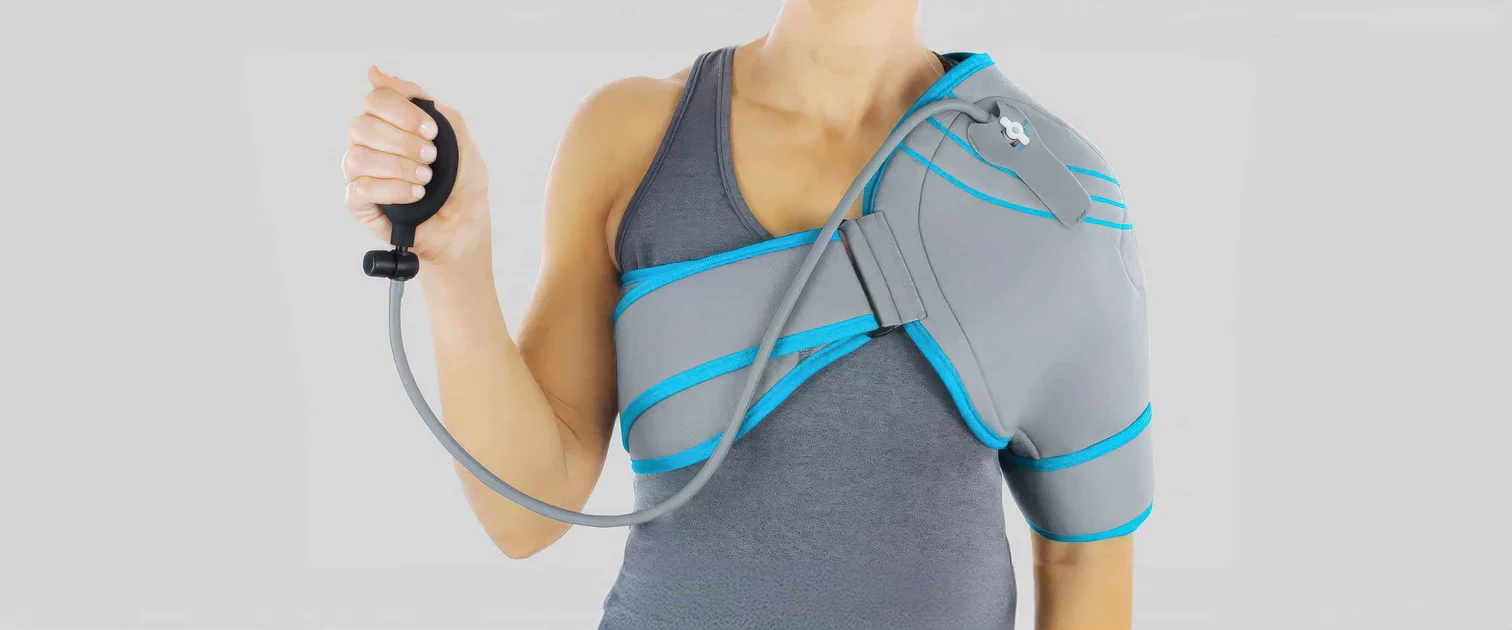
A shoulder brace is a wearable device. It fits tightly over the shoulder joint. Most are made of neoprene or elastic fabric. It is sometimes referred to as a shoulder support. The design focuses on the joint itself. It does not necessarily hold the whole arm.
The main function is to offer compression. This pressure reduces swelling. It also keeps the shoulder bones in the correct spot. Some braces have straps that wrap around the chest. This provides extra tension. It limits specific movements that might cause pain. It is a proactive tool for stability.
What is an Arm Sling?
An arm sling is a fabric pouch. It hangs from a strap around the neck or back. The forearm rests inside this pouch. The main purpose is immobilization. It prevents the arm from moving at all.
By holding the arm, the sling takes the weight off the shoulder. Gravity can pull on an injured joint. This pull causes pain and delays healing. The sling cancels out the effect of gravity. It is a passive tool for rest. It is often used for the most severe injuries.
Shoulder Brace vs Arm Sling
| Feature | Shoulder Brace | Arm Sling |
| Range of Motion | Allows some movement. It lets you use your hand and elbow. | Stops almost all movement. |
| Compression | Applies pressure to the skin and muscles. | Does not provide compression. It only provides a resting place. |
| Support Source | Uses the torso for leverage. | Uses the neck and the opposite shoulder to carry the weight. |
| Activity Level | Often used during physical activity. | Used during periods of total rest. |
When to Use a Shoulder Brace?
A shoulder brace or shoulder support is for specific conditions. These are usually less severe than a break.
- Chronic Instability
Some people have loose shoulder joints. The arm bone may slide out of the socket. This is called subluxation. A brace keeps the bone centered. It delivers a sense of security during daily tasks.
- Muscle Strains
Tearing a muscle or tendon is common in sports. A shoulder support belt keeps the area warm. It provides compression to the torn fibers. This helps the blood flow and speeds up repair.
- Rotator Cuff Issues
Small tears in the rotator cuff are painful. A brace limits the overhead reach. This prevents the user from aggravating the tear. It acts as a physical reminder to move carefully.
- Returning to Work or Sports
After an initial healing phase, you might need to move again. A brace provides a safety net. It allows for controlled movement while preventing extreme angles.
When to Use an Arm Sling?
An arm sling is required when total rest is the priority. It is used for acute and serious trauma.
- Bone Fractures
If a bone is broken, it must stay perfectly still. Any movement can prevent the bone from knitting back together. A sling keeps the arm locked against the body.
- Serious Dislocations
After a doctor puts a shoulder back in place, the tissues are very weak. The arm must be kept still for several days or weeks. A sling ensures the joint does not slip out again during sleep or walking.
- Post-Surgical Recovery
Surgeons often prescribe a sling after a procedure. The internal stitches and repairs are fragile. A sling protects the surgical site from accidental bumps or pulls.
- Severe Nerve Injury
If the nerves in the arm are damaged, the muscles might be paralyzed. The arm becomes a heavy weight. A sling supports this weight to prevent the shoulder joint from stretching out.
Benefits of the Shoulder Support Belt
The shoulder support belt offers unique advantages for active recovery.
- Pain Management: The compression blocks some pain signals to the brain. It makes the shoulder feel tighter and more secure.
- Improved Posture: Many braces pull the shoulders back. This prevents slouching. Good posture reduces the strain on the neck and upper back.
- Increased Awareness: Wearing a brace makes you more aware of your limb. This is called proprioception. It helps you avoid awkward movements.
- Versatility: You can wear a brace under clothing. It is discreet. This allows you to go about your day without drawing attention to the injury.
Benefits of the Arm Sling
The arm sling is beneficial for:
- Total Weight Relief: It eliminates the effort required to hold the arm up. This is vital for patients with high pain levels.
- Visual Warning: A sling is very visible. It warns other people to be careful around you. This prevents accidental collisions in crowded places.
- Ease of Use: Most slings are easy to put on with one hand. They are simple devices with few moving parts.
Wrapping Up
The shoulder is a vital part of daily function. Protecting it after an injury is essential for long-term health. A shoulder brace and an arm sling are both helpful, but they are not the same. Use a sling when you must stop all movement and rest. Use a shoulder support belt when you need stability but still want to stay active.
The choice depends on the severity of the injury and the advice of a doctor. Each aid plays different roles in the healing process. A shoulder brace starts the process by providing rest. The arm sling finishes the process by providing confidence during movement. By using the correct support, you reduce the risk of permanent damage. You also ensure a faster return to your normal routine.
Just remember to always follow a professional’s guidance to achieve the effectiveness of these support aids.
