

Understanding the Basics of Football Language
Football, known as soccer in some parts of the world, comes with its own set of terms that can feel confusing at first. Whether you’re watching a match, playing casually, or just getting into the sport, understanding the language is the first step to truly enjoying it. Many beginners feel lost when commentators mention terms like “offside,” “through ball,” or “set piece.” But once you break them down, they become much easier to follow. Platforms like OPEN88 often attract fans who want to deepen their understanding of the game, and learning the terminology is part of that journey. The good news is that you don’t need to memorize everything at once. Start simple, and build your knowledge step by step.
Key basic terms to know
- Goal: When the ball crosses the goal line between the posts and under the crossbar
- Match: Another word for a game
- Pitch: The field where football is played
- Team: Each side consists of 11 players
- Referee: The official who enforces the rules
Player Positions and Their Roles Explained
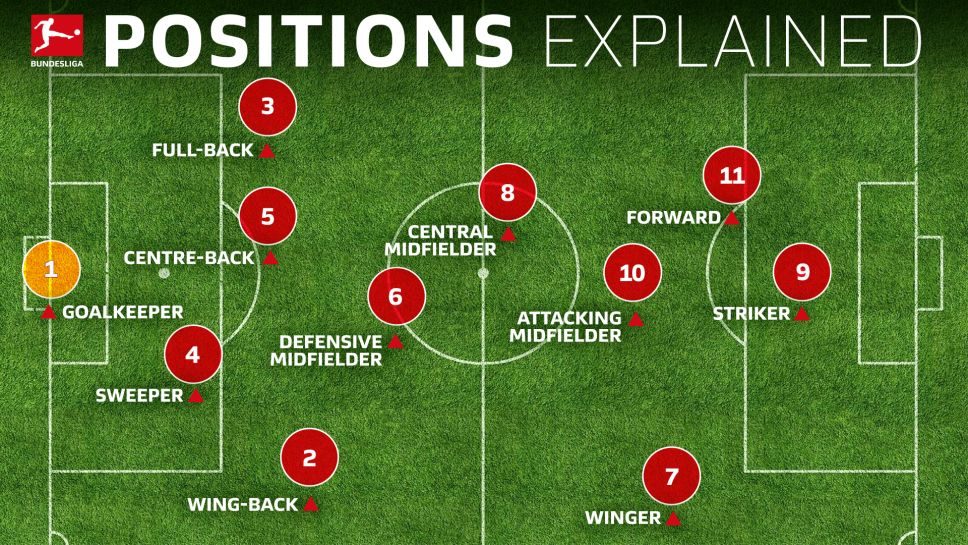
Each player on a football team has a specific role, and understanding positions helps you see how a team works together. From defending the goal to scoring, every position contributes in a unique way. When you hear terms like striker or midfielder, they are not just labels but indicators of responsibility. Knowing these roles helps you follow tactics and understand why players move the way they do during a match.
Common player positions
- Goalkeeper: Protects the goal and can use hands within the penalty area
- Defender: Stops the opposing team from scoring
- Midfielder: Connects defense and attack, often controls the game
- Forward/Striker: Main goal scorer
- Winger: Plays on the sides, focusing on crossing and speed
Common Match Actions and What They Mean
Football is a fast-paced game filled with constant movement. To understand what’s happening, you need to know the basic actions players perform. These terms describe how the ball moves and how players interact with it. Once you recognize these actions, watching a match becomes far more engaging.
Essential match actions
- Pass: Kicking the ball to a teammate
- Dribble: Moving with the ball while maintaining control
- Shoot: Attempting to score a goal
- Tackle: Taking the ball from an opponent
- Cross: Sending the ball from the side into the penalty area
Understanding Rules and Decisions in Football
Rules are what keep football fair and structured. While some rules are simple, others like offside can be tricky for beginners. Referees and assistant referees enforce these rules, and their decisions can change the outcome of a game. Learning the basic rules helps you understand why certain plays stop or why a team gets a free kick.
Key rules to remember
- Offside: A player cannot receive the ball if they are ahead of the last defender when the pass is made
- Foul: Illegal physical contact or unfair play
- Free kick: Awarded after a foul
- Penalty kick: A direct shot at goal from the penalty spot after a serious foul
- Throw-in: Restart when the ball leaves the field on the sidelines
Attacking and Defensive Strategies Made Simple
Football is not just about running and kicking. Teams use strategies to outplay their opponents. Attacking strategies focus on scoring goals, while defensive strategies aim to stop the other team. Understanding these terms helps you see the bigger picture of how matches are won or lost.
Common strategies in football
- Counterattack: Quickly attacking after winning the ball
- High press: Pressuring opponents high up the pitch
- Possession play: Keeping control of the ball to dominate the game
- Marking: Staying close to an opponent to limit their influence
- Formation: The arrangement of players on the field
Set Pieces and Their Importance in Matches
Set pieces are moments when the game restarts in a structured way, and they often lead to scoring opportunities. These situations are carefully practiced by teams and can make a big difference in tight matches. Fans who follow platforms like OPEN 88 often pay close attention to these moments because they can turn the tide of a game quickly.
Types of set pieces
- Corner kick: Awarded when the ball crosses the goal line off a defender
- Free kick: Taken after a foul
- Penalty: A high-pressure scoring chance
- Goal kick: Restarted by the goalkeeper after the ball goes out
- Kick-off: Starts or restarts the match
Advanced Football Terms for Deeper Understanding
Once you are comfortable with the basics, you can move on to more advanced terminology. These terms are often used by commentators and analysts to describe tactics and player behavior. Learning them adds another layer to your understanding and makes watching football more enjoyable.
Advanced terms to explore
- Through ball: A pass that splits defenders
- Nutmeg: Playing the ball through an opponent’s legs
- Clean sheet: When a team concedes no goals
- Assist: The pass leading directly to a goal
- Build-up play: The process of creating an attacking move
Final Thoughts and Conclusion on Mastering Football Terminology Step by Step for Better Game Understanding
Learning football terminology does not have to be overwhelming. By breaking it down into simple steps, you can gradually build your knowledge and confidence. Start with the basics, understand player roles, and then move on to actions, rules, and strategies. Over time, these terms will become second nature, and you will find yourself enjoying matches on a deeper level. The key is consistency and curiosity. Keep watching games, listen to commentary, and try to identify the terms in real situations. With patience, you will not only understand football better but also appreciate the beauty of the game in a whole new way.
Key takeaways to remember
- Start with simple terms and build gradually
- Focus on understanding roles and actions
- Learn rules to follow the game better
- Explore advanced terms once comfortable
- Practice by watching real matches regularly
