

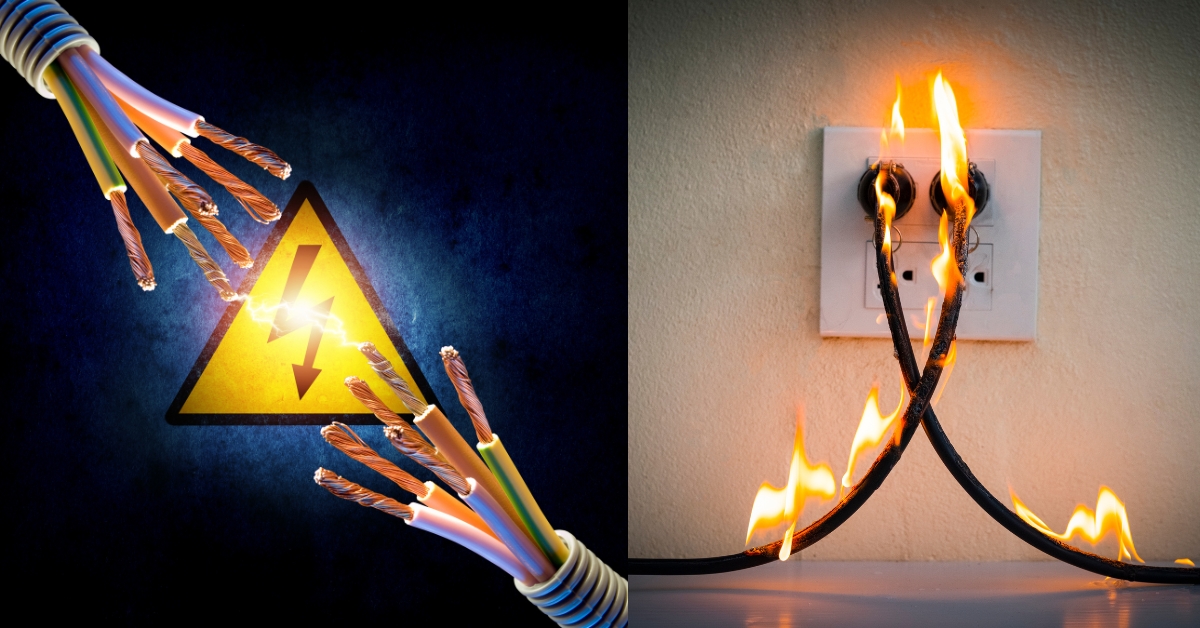
Electrical safety is a priority in homes, workplaces, and public spaces alike. With increasing reliance on powered devices and systems, ensuring protection against electrical faults and hazards has never been more important. Modern socket solutions help protect people and equipment from dangerous situations that may arise from wiring issues, ground faults, or faulty appliances. Understanding how devices work and choosing the right components for your electrical system enhances safety, compliance, and peace of mind.
What Is Residual Current Protection?
Residual current protection is designed to prevent serious harm from electrical faults that cause current to leak from intended paths. When an imbalance occurs between the live and neutral conductors — such as when electricity flows through a person to ground — protection devices detect this discrepancy and cut off the supply rapidly. This helps minimise the risk of electric shock, which can be life-threatening in some cases.
A core component in many modern electrical systems, an rcd (Residual Current Device) performs this life-saving function by monitoring electrical flow and reacting whenever abnormal leakage is detected.
How Residual Current Devices Improve Safety
Traditional circuit breakers protect against overloads and short circuits but do not detect small leaks of current that can still cause harm. RCDs, on the other hand, are designed specifically to sense even minor differences between the current flowing in and out of a circuit. When such differences occur, they suggest current is escaping through an unintended path — potentially through a person — triggering the device to disconnect the circuit rapidly.
This rapid disconnection often occurs within milliseconds, significantly reducing the severity of injuries and increasing the chances of avoiding a fatal incident.
Where RCD Protection Is Essential
Residual current protection is particularly important in areas with increased risk of electric shock due to moisture or frequent handling of electrical appliances. Typical locations include:
- Bathrooms and kitchen areas
- Outdoor circuits and garden outlets
- Construction sites
- Laundry rooms
- Workshops
In these settings, water and conductive surfaces increase the risk of current leakage, making RCD-equipped outlets a smart safety upgrade.
Types of RCD-Equipped Sockets
There are several ways to incorporate residual current protection into electrical systems:
Integrated RCD Sockets
These units have built-in residual current protection that guards every connected device. They are convenient and provide protection without additional wiring.
Circuit Breaker Pairs
RCDs can be combined with overcurrent protection in a single unit that protects a whole circuit at the distribution board.
Portable RCD Units
Used temporarily or for specific tasks, these plug-in devices offer flexible protection where permanent installation may not be available.
Each option has its place depending on the application, system design, and safety requirements.
Key Benefits of Residual Current Protection
Installing RCD-equipped sockets or devices brings several advantages:
- Enhanced safety: Rapid response to leakage significantly lowers the risk of electric shock.
- Property protection: Reducing electrical faults helps prevent potential fire hazards.
- Peace of mind: Knowing that safety mechanisms are in place increases confidence for occupants.
- Regulatory compliance: Many building codes mandate residual current protection in specific areas.
These benefits make RCD solutions a practical and often necessary addition to modern electrical installations.
Installation Considerations
When including RCD protection in a property, it’s important that installation is performed by qualified professionals. Electricians will ensure:
- Compatible wiring and load capacity
- Proper placement of RCD sockets
- Correct testing and commissioning
Electrical safety devices must be installed according to local standards and building codes to function as intended. Professionals can also advise on whether integrated socket protection or circuit-level devices are more appropriate.
Testing and Maintenance
Like all safety systems, RCD devices must be tested regularly to ensure they are functioning correctly. Most units include a built-in test button that simulates a fault condition, requiring users or technicians to check responsiveness. Regular testing helps detect wear, wiring issues, or device degradation that could compromise safety.
Routine maintenance also includes inspection of wiring, checking for signs of damage, and ensuring that protective devices are easily accessible for testing and operation.
Integrating RCD Protection into Larger Systems
In commercial or industrial settings, RCD protection may be part of a comprehensive safety strategy that includes surge protection, circuit breakers, and isolation switches. Coordinating these systems ensures that different types of electrical faults are addressed appropriately, reducing downtime and improving overall resilience.
RCD sockets are particularly valuable in spaces where multiple appliances are used simultaneously, or where sensitive electronic equipment must be protected from faults that could lead to damage or data loss.
Balancing Convenience and Safety
One of the advantages of modern protective sockets is that they combine safety with usability. Instead of relying solely on protective devices at the circuit board, an RCD-equipped socket places protection precisely where the load connects. This localisation simplifies planning and ensures that every connected device benefits from immediate response to leakage faults.
For households and businesses alike, integrating safety features without sacrificing convenience makes for a more user-friendly electrical environment.
Electrical Safety and Everyday Life
In daily routines, people may not think about the flow of electricity until something goes wrong. However, proactive safety planning reduces the chances of incidents and promotes confidence in how systems are used. From charging devices and running appliances to powering tools and lighting spaces, well-designed electrical systems support comfort and productivity.
Residual current devices are part of a layered approach to safety — one that recognises the unpredictability of electrical faults and provides mechanisms to respond quickly and effectively.
Choosing the Right Protection Products
When selecting protective components for electrical systems, choosing quality products from reputable suppliers ensures reliability and performance. It’s important to review product specifications, understand how devices integrate with existing wiring, and confirm that components meet local standards.
Whether you are upgrading a home system or designing electrical infrastructure for a facility, including appropriate protection devices enhances safety and longevity of installations.
Making Safety a Priority
Electrical protection should never be an afterthought. Understanding the risks associated with current leakage and taking steps to mitigate them through appropriate devices builds a safer environment for users of all ages.
Exploring reliable solutions for RCD and socket safety enhances confidence and helps ensure that everyday activities — from powering appliances to running machinery — proceed without unnecessary risk.
