

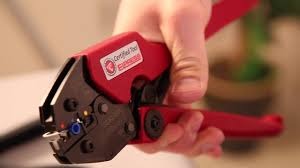
In high-reliability applications—such as aviation wire harness assembly, automotive electronics, and military systems—the mechanical integrity and electrical performance of a crimped connection are absolutely non-negotiable. A faulty crimp is a single point of failure that can lead to power loss, signal degradation, or catastrophic system failure. Crimper calibration is the specialized metrology discipline that ensures the forces and dimensions produced by crimp tooling meet stringent engineering specifications. The calibration process is necessary because crimp tooling, subject to high mechanical stress and cyclical use, inevitably experiences wear and positional drift.
The Criticality of a Reliable Crimp Connection
A crimp functions by achieving a precise, controlled mechanical deformation of the terminal barrel and wire conductors. This process must create a reliable gas-tight seal for electrical continuity and a robust mechanical bond to resist pull-out forces. An under-crimp leads to a weak mechanical bond and high electrical resistance, generating heat. An over-crimp can severely damage or shear the wire strands, weakening the bond and potentially cracking the terminal barrel. In the aerospace and defense sectors, standards like SAE AS22520 (formerly MIL-C-22520) govern these specifications precisely to prevent such failures.
Key Parameters in Crimper Calibration
Effective crimper calibration focuses on verifying two primary measurement areas:
- Indenter/Crimp Height (Dimensional Check): For many closed-barrel crimp tools, the most critical parameter is the crimp height—the distance between the two closest points of the crimped barrel. This is measured using specialized pin micrometers or digital calipers. Calibration involves measuring this height across the tool’s range of settings and verifying it against the specific manufacturer or military standard requirements for each wire gauge.
- Crimp Force (Mechanical Check): For pneumatic or hydraulic bench-top crimp machines, calibration involves measuring the actual crimping force exerted by the machine. This is verified using a calibrated load cell or force gauge inserted between the dies, ensuring the machine’s pressure setting delivers the specified tonnage or force output.
Compliance and Traceability in Wire Harness Assembly
Due to the critical nature of the applications, all measurements performed during crimper calibration must be traceable. The gages, micrometers, and load cells used by the calibration technician must be traceable to SI units. To guarantee this level of compliance and meet rigorous standards, precise calibration is mandatory.SIMCO provides traceable calibration of specialized crimping tools and gages, verifying their output against national and international standards.
Managing Tool Wear and Calibration Interval
Crimp tools are highly mechanical devices that experience rapid wear. Emitter point wear, spring fatigue, and positional drift in adjustable stops all directly contribute to inaccuracy. Consequently, the calibration interval must be aggressively managed. Tools used on a high-volume line may require calibration checks every 30 or 60 days.
Utilizing a structured management system is key to mitigating the risks of using an out-of-tolerance tool. A comprehensive service provider like SIMCO ensures that every crimping tool—from hand tools to high-speed automatic crimp presses—is recalled for crimper calibration exactly when needed. This systematic approach prevents costly quality escapes and maintains the necessary audit trail for quality managers.
The Link Between Calibration and Pull-Force Testing
While calibration verifies the tool’s output parameters (height or force), it supports, but does not replace, the mandatory destructive testing of the crimped terminal. Periodic pull-force testing ensures the crimp provides the required mechanical strength. When the crimp tool is accurately calibrated, the results of the pull-test become predictable and reliable, proving the success of the entire wire assembly process.
