

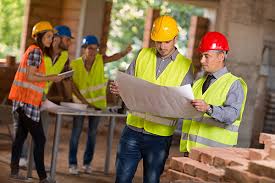
When people talk about green construction, they often imagine new machines or strict rules. On an actual site the picture looks different. The change begins with how work happens each day. Crews still rely on equipment that delivers steady power. Generators often run in the background and support tools and systems that cannot stop midway. That does not make the site unsustainable by default. The difference comes from how long the equipment runs and whether it runs only when needed.
You can see this in simple situations. A generator left running during idle periods consumes fuel without adding value. When teams manage this properly, the impact reduces without any major adjustment. It does not require new equipment. It requires attention. This is where the idea of going green begins to feel practical rather than theoretical.
Why “Going Green” Means More Than Just Reducing Emissions
Reducing emissions remains part of going green. Waste also plays a major role. Material that gets removed without reason creates extra work. It must be transported. It must be replaced. Each step adds pressure on resources.
Teams that focus on reducing waste begin to see a different outcome. They handle material with more care. They avoid repeating the same task, reducing both effort and consumption.
Everyday Choices Build Long-Term Sustainability
Daily decisions often pass unnoticed because they might seem minor, but over time they build into a pattern that increases fuel use and labor effort.
When teams become aware of this pattern, they start adjusting their approach. They plan movement more carefully. They complete each step with accuracy. This reduces the need for correction later. The work becomes smoother. The site feels more controlled. Sustainability in this sense does not appear as a separate goal. It becomes part of normal operation.
Material Handling Plays a Direct Role in Environmental Impact
Material moves constantly on a construction site. It gets lifted. Carried. Placed. Sometimes it gets moved again because the initial placement was not correct. Each additional movement consumes time and fuel.
Careful handling reduces this repetition. When material reaches the correct position in the first attempt, the process moves forward without delay. This also keeps the site organized. Workers do not need to navigate around misplaced loads. The impact may appear small in a single instance. Across a full project it becomes significant.
Practical Site Work Often Depends on Versatile Machines
Many tasks on-site do not require specialized equipment. They require a machine that can adjust to different needs as they arise. A backhoe wheel loader often fills this role. It digs. It lifts. It carries material across short distances. The operator manages these tasks without changing machines.
This reduces the number of units required on site. It also reduces the time spent coordinating between operators. Work continues without pauses caused by handovers. Fuel use stays lower because fewer machines operate at the same time. The benefit comes from using one machine effectively rather than using many without coordination.
Do Fewer Machines on Site Lead to Better Sustainability?
A smaller fleet often creates a more manageable environment. Fewer machines mean fewer movements across the site. This reduces congestion and lowers the chance of idle time where equipment runs without contributing to work.
It also simplifies planning. Teams focus on how to use available equipment in the most effective way. They avoid bringing in additional machines unless the task requires it. This approach keeps operations controlled. It does not reduce capability. It improves how that capability gets used.
Waste Reduction Comes from Controlled Execution
Planning sets the direction. Execution determines the outcome. Even a well-planned task can create waste if it does not get carried out carefully. Material placed unevenly may need adjustment. Incorrect measurements may lead to rework.
Controlled execution reduces these issues. Operators follow the plan with attention to detail. They make small corrections during the process rather than after completion. This prevents waste from building up. It also keeps the workflow steady because fewer interruptions occur.
Compact Equipment Improves Site Efficiency
Certain areas on site require careful movement. Space remains limited. Tasks take place close to each other. In such conditions a compact machine provides clear advantages. A skidsteer loader works within these limits without causing disruption.
It moves in tight spaces and completes tasks without requiring large adjustments to the site layout. This reduces unnecessary travel distance. It also allows work to continue in active areas without interruption.
Conclusion
Sustainable construction does not rely on a single decision. It develops through consistent effort. Each action on site contributes to the overall outcome. Equipment usage. Material handling. Task execution. These elements come together to shape how green the operation becomes.
When teams maintain discipline in these areas, the results appear naturally. Work progresses without excess waste. Resources get used with purpose. The site remains organized. This approach does not slow down construction. It supports a steady pace that aligns with both efficiency and responsibility.