

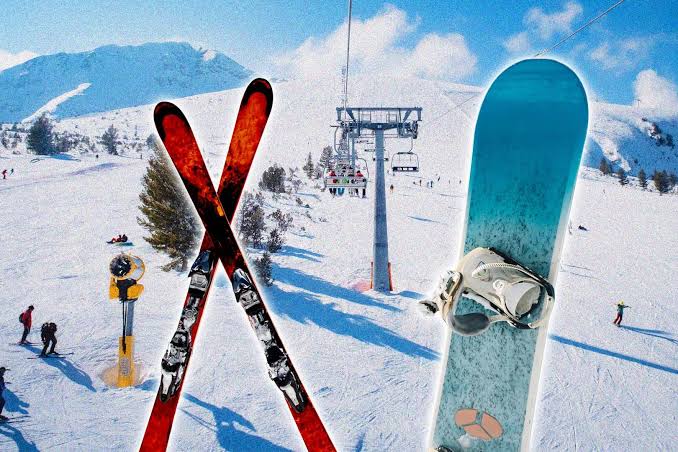
I get asked this constantly by people about to take their first trip: is snowboarding or skiing easier? Everyone wants a clean dbbet online answer before they book lessons, and I get it. Nobody wants to spend $400 on a weekend only to spend the whole time on the ground.
Here’s the actual truth, not the marketing-brochure version. Skiing is easier on day one. Snowboarding is arguably easier by day five. Both of those things are true at the same time, which is annoying if you want a simple answer, but it’s what actually happens on the mountain.
Which one hurts less on your first day?
Skiing, hands down. Your legs move independently, a snowplow stop is almost instinctive, and when you fall, you usually just sit down. I’ve watched total beginners link a handful of wobbly turns and make it down a green run in one afternoon.
Snowboarding is rougher out of the gate. Both feet are strapped to a single board, so your balance is doing all the work your legs used to split between them. Most new riders spend their first two or three hours falling on their wrists or their tailbone before something shifts and the board starts to feel like part of them instead of a plank they’re fighting.
So if the question is “which one hurts less today,” skiing wins, no contest. Ask a snowboarder which one clicks faster once it actually clicks, though, and you’ll get a very different answer.
Skiing gives you quick wins, then makes you work for the rest
Poles help more than people expect. They give you something to lean on, and two skis under you means more surface area supporting your balance. Most instructors start people on flat ground with “pizza and french fries” drills, and within an hour, a lot of first-timers are making it down the bunny hill without eating snow every ten feet.
That early momentum doesn’t last forever, though. Parallel turns, carving, moguls — those take real time, and I know plenty of intermediate skiers who plateaued for an entire season before it started feeling natural again.
Snowboarding front-loads the pain and asks you to trust the process
There’s no getting around it: your first few sessions on a board are going to hurt a little. You’ll catch an edge (it’s exactly as unpleasant as it sounds) more times than you’d like to admit, and there’s no pole to catch yourself with when it happens. Your body has to learn balance the hard way.
But something usually shifts around session three to six. Turning becomes one whole-body motion instead of two legs doing separate, coordinated jobs, and a lot of riders describe the moment it clicks as sudden rather than gradual — like one run you’re fighting the board, and the next run you’re just riding it.
The gear that actually matters before you hit the lift
Before anyone gets too deep into the skiing-versus-snowboarding debate, they need decent gear, because skimping here is how most beginners talk themselves into quitting on day one. A few things worth not cutting corners on:
Wrist guards aren’t optional. Most beginner wrist injuries happen in the first two days, and they’re avoidable. Padded shorts or impact base layers save your tailbone more than you’d think. A properly sized board matters too — rental shops size by weight and riding style, not just height, so be honest with them about both. Grab snow-specific gloves, not cotton ones, because you’ll be putting your hands down constantly and cotton soaks through fast. And wear a helmet. That one’s not up for debate at any skill level.
Boots ruin more first days than bad weather does
I’ve seen it happen over and over: someone shows up excited, gets fitted with boots that are slightly wrong, and spends the whole day miserable for reasons that have nothing to do with the sport itself. Good snowboarding boots should be snug through the heel with almost no lift when you flex forward. Your toes should just barely brush the front liner, not jam against it.
Flex rating matters more than most people realize going in. Softer flex forgives mistakes better, which is what beginners need, while stiffer boots reward a precision most new riders haven’t built yet. Lace-up, BOA, and speed-lace systems all work fine, but BOA tends to be the easiest to adjust mid-day if your feet swell. If you’re buying new boots rather than renting, break them in a little at home first — a boot that feels fine standing in a shop can feel completely different four hours into a run.
Don’t skimp on goggles either
Cheap goggles fog up, scratch within a season, and mess with your depth perception on flat-light days, which is exactly when clear vision matters most. You don’t need to spend a fortune, but look for anti-fog coating, UV protection, and a lens tint that fits the conditions you’ll actually ride in.
Rose or amber lenses boost contrast on overcast days. Darker, mirrored lenses handle bright bluebird days better. If you only want one pair, go with a medium tint built for mixed conditions.
So which one should you pick?
At this point the is snowboarding or skiing easier question probably has less to do with the sport and more to do with how much frustration you can stomach in the first few hours. If you want fast confidence and a good first day, ski. If you’re fine eating a rough weekend in exchange for a sport that a lot of people swear feels more natural once it clicks, snowboarding has a loyal following for a reason. I’d say pick whichever one your friends are already doing, honestly, because having someone to laugh at your falls with matters more than which sport is technically easier. Either way, don’t cheap out on boots, goggles, or padding just to save thirty bucks on your first trip. That’s the part people actually regret.
