

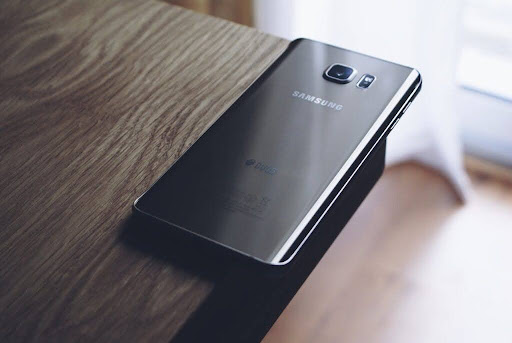
Smartphones are no longer just communication tools; they are essential gateways to education, work, and daily life. For millions of Americans, especially those in low-income or rural areas, mobile devices are the primary way to remain connected. Students, seniors, and freelancers alike rely on smartphones to learn, manage health, and find job opportunities. Having these tools has become undoubtedly important for full participation in modern society.
Smartphones: More Than Just a Gadget
No longer just a means of keeping in touch; smartphones now serve as vital connectors to information, opportunity, and community. They have become a digital gateway that connects people to essential parts of everyday life. For millions of households in America, particularly those in low-income or rural areas, smartphones are often the only dependable way to participate fully in today’s connected world.
Students use smartphones to attend online classes and continue their education remotely. Seniors rely on health apps to monitor their conditions and consult doctors online. Freelancers and gig workers use mobile devices to find jobs, communicate with clients, and manage their schedules efficiently.
However, this growing dependence on technology underscores a widening social gap. Without reliable smartphones or internet connections, many are left behind, unable to pursue education, work, or healthcare. The equal availability of these tools is not just about convenience but about inclusion and opportunity in life.
Government Programs Opening the Door to Connectivity
To make communication more affordable, the federal Lifeline program helps low-income households reduce the cost of phone and internet services.
Administered by the Federal Communications Commission (FCC), this program offers monthly discounts through certified providers, ensuring essential connectivity for millions of Americans.
In recent years, Lifeline has expanded to include free device offers from participating carriers, allowing eligible users to obtain smartphones without upfront costs. Participants can receive reliable models from major brands, including Samsung, with many options listed under Samsung free government phones.
By combining affordable service plans with accessible devices, Lifeline continues to bridge the digital gap and make digital connection attainable for all.
Providers Making It Possible: AirTalk Wireless at the Forefront
Some providers, such as AirTalk Wireless, are supporting users through the Lifeline program, helping bring affordable accessibility to underserved communities. Participation in federal initiatives allows them to connect more people with the tools and services needed for learning, work, and daily activities.
AirTalk Wireless offers a wide range of smartphones, including Samsung and Apple devices, while expanding coverage areas to reach more communities. They also support users throughout the application and activation process, making technology adoption easier and more convenient.
Needless to say, AirTalk Wireless is transforming government support into real-world solutions.
The Broader Picture: Digital Inclusion and Social Impact
Expanding smartphone availability goes far beyond personal convenience; it generates meaningful social progress. With more people connected to smartphones and reliable internet, education becomes more accessible.
Students can attend online classes, explore online resources, and complete assignments remotely, reducing barriers caused by location or income. Healthcare delivery also improves as patients track their health, consult doctors online, and schedule appointments digitally.
Broader access to digital networks likewise creates employment pathways, enabling job seekers to apply for positions, communicate with employers, and participate in remote or gig work.
This is where digital inclusion becomes vital. It ensures that everyone, regardless of income, age, or geography, has a fair opportunity to benefit from technology and connectivity.
By narrowing the digital divide, programs like Lifeline and providers such as AirTalk Wireless foster a more inclusive society. Equal access to digital tools empowers individuals to thrive in education, work, healthcare, and civic life, strengthening communities and advancing social and economic mobility nationwide.
