

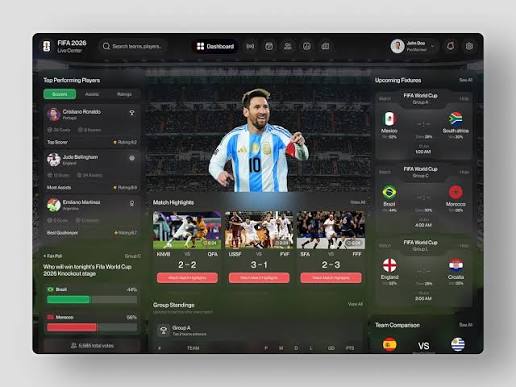
There used to be a simpler way to follow a World Cup match. You watched the game, checked the score, maybe looked at the table later and that was enough. That feels old now. During the FIFA 2026 World Cup, the match is spilling across the main broadcast, the phone screen, the live tracker, the team news feed and the odds page. A fan might be watching one game properly while checking another from the corner of a phone, because the tournament does not slow down just because one person is trying to keep up.
That is why the matchday dashboard has become so useful. In a bigger World Cup, with more matches and more routes through the tournament, that extra context is not decoration. It helps explain what is actually happening.
Online sports betting has been pulled into that same screen habit. A fan using Betway’s online betting platform might move from team news to live stats, bet on world cup markets during a tense spell and then use the matchday dashboard to understand why the game is starting to tilt. Betway becomes part of that wider matchday routine, not as something separate from the football, but as one more screen shaped by form, injuries, pressure, odds and the small live events that change how a match feels.
Fans Do Not Want Five Different Screens
The modern fan has too much to check. On a busy World Cup day, the fan is not only watching the match anymore. There is the broadcast in front of them, the group table being refreshed, the tracker ticking over, the odds page open somewhere nearby and the team news alert that lands just when everyone thinks the lineups are settled.
That is why the dashboard idea works. It gives fans one place to read the match properly. Not just the score. Not just the odds. Not just possession numbers that say very little on their own. A useful matchday screen pulls together the things that actually explain what is happening: shots, corners, cards, substitutions, dangerous attacks, injury time, recent form and tournament stakes.
This is especially important for online betting. A sports bet feels different when the fan understands the reason behind a market move. If a team’s odds shorten, there is usually a story behind it. Maybe they are creating better chances. Maybe the opponent has lost a defender to injury. Maybe the tracker shows a run of corners and territorial pressure that the score has not caught up with yet.
The Tech Behind The Dashboard
A good matchday dashboard looks simple, but there is a lot of tech behind it. Stadium event data has to be collected quickly and accurately. Official data teams log actions such as shots, fouls, cards, corners, substitutions and added time. Timing systems keep the clock aligned. Match feeds then move this information into apps, websites, broadcasters and sports betting platforms.
APIs do a lot of the connecting work. They help link the raw match events to odds pages, player profiles, team pages, standings and mobile alerts. Without those connections, every part of the screen would feel separate.
Speed matters, but so does accuracy. A delayed card, a duplicate corner or a missed substitution can make the screen feel unreliable. In World Cup betting, fans are reading the match through those details. If the data arrives late, the experience starts to feel behind the football. The best tech does not draw attention to itself. It simply keeps the screen close to the game.
Why Context Matters More
The 2026 tournament creates a different kind of pressure. There are more matches to follow, and not every fan can watch them all. Some will be checking during work, while travelling, or while another match is already on the main screen. That makes context more valuable than ever.
A matchday dashboard helps fans catch up quickly. It can show who is controlling the ball, who is creating danger, who has picked up cards and whether a manager has changed the shape of the team. It can also show the wider World Cup picture: what this result means, who the winner might face next and whether a draw is enough for one side.
This is one of the clearest tech trends in online sports betting. The screen is becoming less like a simple list of odds and more like a match center. Fans want to know what they are looking at. They want the bet slip, the tracker, the statistics and the tournament situation to make sense together.
That does not mean the page should be overloaded. In fact, the best dashboard is usually the one that knows what not to show. Too many numbers can make the screen feel heavy. The useful details need to be close, clear and easy to scan during a live matchday.
A Dashboard For The Whole Tournament
The new matchday dashboard is not only about one game. It is about helping fans understand a tournament that is constantly moving. During the World Cup, one result can change another team’s route. A goal in the final minutes can alter the standings, the mood and the next match’s story.
That is why tournament context belongs close to the live screen. Fans want to know more than who is winning. They want to know what the result means. Does it change a knockout path? Does it make the next match more important? Does it affect a team’s approach in the second half?
Betway, like other major sports betting platforms, operates in a football environment where the user expects odds, stats and context to sit near each other. That does not make the dashboard promotional. It simply reflects how fans now follow football. The match is still the center, but the screen around it helps explain the movement.
That is the real value of the new World Cup matchday dashboard. It gives fans a better way to read football in real time. Not just through the scoreboard, and not just through betting odds, but through the small signals that explain why a match is changing before the final whistle arrives.