

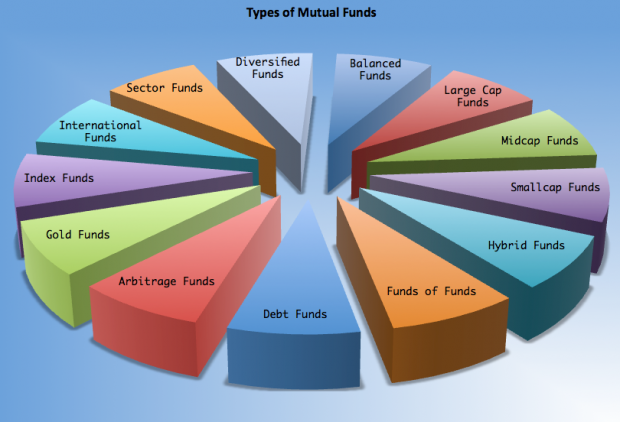
In most cases, investors treat portfolio building like visiting a buffet. They fill their plates with whatever they can and hope for the best. This mentality may seem obvious, but it is exactly why they end up getting average results and taking unnecessary risks. Diversification through mutual funds does not require owning many funds; it requires owning different funds that operate independently of one another.
Here’s the thing: diversification is widely preached but rarely practiced with any real discipline in India.
Why Most “Diversified” Portfolios Aren’t Actually Diversified
Owning five large-cap funds doesn’t make your portfolio diversified. If they all hold Reliance, HDFC Bank, and Infosys in roughly similar proportions, which most large-cap funds have essentially bought the same exposure five times over.
True diversification means your assets respond differently to the same market event. When equities correct, your debt component should cushion the fall. When domestic markets underperform, an international fund allocation might hold its ground. The goal is non-correlation, not just volume.
A common mistake among first-time investors is confusing the number of mutual funds with the breadth of exposure. You can build a solid, well-diversified portfolio with as few as four to five funds if chosen with intent.
The Building Blocks: Understanding Asset Class Roles
Before you pick any fund, understand what role each asset class plays.
| Asset Class | Role in Portfolio | Risk Level |
| Large-Cap Equity | Core stability, long-term growth | Moderate |
| Mid & Small-Cap Equity | Higher return potential, higher volatility | High |
| Debt / Liquid Funds | Capital preservation, liquidity buffer | Low |
| International Equity | Geographic diversification, dollar hedge | Moderate–High |
| Hybrid / Balanced Funds | Auto-rebalancing, volatility management | Moderate |
Each of these serves a function. The proportion you assign to each depends on your investment horizon, income stability, and honestly how well you sleep at night when markets fall 15% in a month.
Building the Core-Satellite Framework
One framework that seasoned investors swear by is the core-satellite approach.
The core (about 60%-70%) comprises reliable investments such as large cap or flexi-cap funds with an established performance history. They may not be eye-catching, but they are definitely not going to keep you up at night.
The satellite portion (30–40%) is where you take calculated bets. A mid-cap fund. A sectoral fund if you have conviction about a theme. A small allocation to international mutual funds for dollar-denominated exposure.
It’s straightforward: the core hedges your risks, while the satellite pursues your gains.
For a 30-year-old with steady earnings and a 10-year timeframe, a balanced starting portfolio could be:
- 40% in a large-cap or index fund
- 25% in a mid-cap fund
- 15% in an international equity fund
- 20% in a short-duration debt fund
That’s four funds. Clean, purposeful, manageable.
The Rebalancing Discipline Nobody Talks About
Here’s where most portfolios quietly fall apart not in the selection, but in the maintenance.
Markets don’t move uniformly. Over 18 months, your mid-cap allocation might grow from 25% to 38% simply because mid-caps outperformed. That’s not diversification anymore that’s concentration by default. Annual rebalancing forces you to sell what’s expensive and buy what’s undervalued. Mechanically. Without emotion.
Set a calendar reminder. Once a year, open your portfolio, check the actual allocation against your target, and rebalance. You can explore platforms designed specifically for mutual fund tools offer portfolio tracking features that make this process considerably less painful.
Rebalancing is the discipline that separates investors who build wealth from those who just accumulate funds.
Avoiding the Traps That Quietly Erode Returns
A few things that experienced investors learn the hard way:
- Chasing last year’s top performer is the most reliable way to underperform this year. Fund rankings rotate. Category winners in 2022 were often laggards by 2024.
- Ignoring expense ratios on actively managed funds can cost you 1–1.5% annually. Over 15 years, that’s a significant compounding drag. Direct plans consistently outperform regular plans of the same fund not because they’re better managed, but because less of your return is being skimmed off the top.
- Over-diversifying into niche sectoral mutual funds adds complexity without meaningful risk reduction. Unless you have genuine sectoral conviction and the patience to track it, stick to broader categories.
The best mutual funds portfolio isn’t the one with the most funds or the highest trailing returns on paper. It’s the one you can hold through a 30% drawdown without panic-selling because it was built with enough stability baked in from the start.
Conclusion
Diversification, done right, isn’t exciting. It’s supposed to be boring. It’s supposed to feel like you’re always leaving something on the table, because in any given year, some part of your portfolio will underperform. That’s not a flaw that’s the point. The goal of a diversified mutual funds portfolio is not to maximise returns in the best year. It’s to survive the worst year intact, and keep compounding. Build for that. Everything else follows.
