

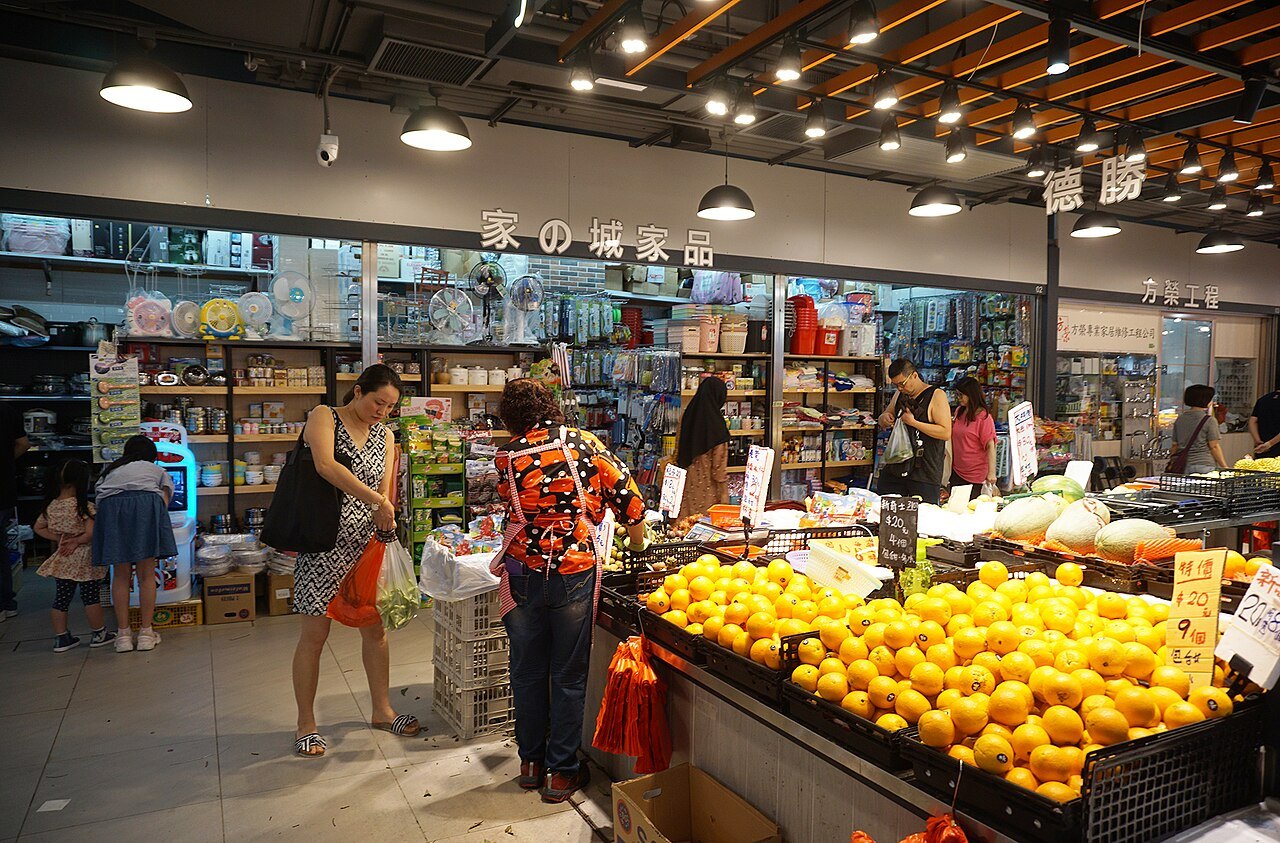
Health research rarely produces advice a twelve-year-old can follow, but a major Australian cohort study has managed it. Researchers tracked 6,500 symptom-free 12-year-olds across three years of adolescence, measuring diet and health as the children grew, and found that each additional daily serve of fruit was associated with meaningful benefits by the study’s end.
The cohort’s design is its strength. Starting with children free of symptoms lets the study speak about building health rather than treating illness, and three years of follow-up captures dietary habits as they consolidate during the most nutritionally turbulent years of life, when autonomy over food choices expands and dietary quality typically falls off a cliff.
Why a Single Serve Carries Weight
A serve of fruit is a modest thing, roughly a medium apple or banana. Its effects compound through several routes at once: fibre that moderates blood-sugar response, potassium and vitamin C that processed snacks do not provide, and displacement, the simple fact that a stomach containing fruit is not, at that moment, containing something worse. The World Health Organization sets a benchmark of 400 grams of fruit and vegetables a day; adolescents in most developed countries average barely half, so each additional serve moves a large population meaningfully toward the line.
Habits, Households and Schools
The study sits within the framework of Australia’s national dietary guidelines, which treat adolescent nutrition as a systems problem: home availability, school canteens, price and marketing all shape what teenagers actually eat more powerfully than knowledge does. Fruit intake in the cohort tracked with household routines, reinforcing the finding from earlier research that availability at home predicts adolescent consumption better than any educational campaign.
Translating Evidence Into Lunchboxes
The practical translation is refreshingly uncommercial: keep fruit visible and ready at home, treat it as the default snack rather than the virtuous alternative, and let schools carry part of the load with fruit-forward canteen options. Our health team publishes family nutrition guides that put numbers like these into weekly shopping terms.
In an era of expensive interventions and supplement hype, a three-year, 6,500-child study pointing at the fruit bowl is a useful corrective. Sometimes the evidence really is that simple.
What the Study Cannot Say
Honest science includes its limits, and the researchers are candid about theirs. Observational cohorts cannot fully separate fruit itself from the constellation of habits that travel with it: families that keep fruit visible tend also to cook more, eat together more and supervise screens more. The statistical models adjust for these factors, but adjustment is not elimination, and residual confounding is the permanent asterisk on nutrition epidemiology. The study also cannot say which fruits matter most, whether the benefit plateaus beyond two serves, or how the effect interacts with the rest of the diet. What it can say, and what makes it valuable, is that the association survived three years, thousands of participants and rigorous adjustment, which is more than most dietary findings manage. In a field littered with reversed advice, a boring result that holds up is worth more than an exciting one that does not. The fruit bowl, it turns out, was evidence-based all along.
The researchers’ next steps include following the cohort into late adolescence, where the questions get harder: does the fruit effect persist when school ends, when work and independence reshape eating entirely? The answer will determine whether the finding is a childhood footnote or a lifelong lever. Either way, the fruit bowl has rarely had better representation.
